
Schedule a Consultation
Our job isn’t over until the patient is smiling
Contact Us
25
Sep
An eye that can't blink loses its natural protection, quickly becoming dry, irritated, and vulnerable to corneal damage that can threaten vision if it goes untreated. This is a real risk for anyone with facial paralysis, since the same nerve that controls a smile also controls t...
View More27
Aug
Confidence after facial paralysis gradually returns with physical healing, not after it. Patients recovering from facial paralysis in Boston often concentrate solely on regaining movement, but emotional recovery needs equal attention from the very beginning. At the Hadlock Cente...
View More27
Jul
Facial nerve regeneration is the process by which an injured facial nerve regrows and reconnects with the muscles that control expression. It typically advances at about 1 millimeter per day. That slow pace is why recovery from facial paralysis can take months to years, dep...
View More30
Jun
You've recovered from Bell's palsy, or so you thought. Movement has returned to your face, which feels like progress. But something is still off. When you smile, your eye squints involuntarily. When you blink, the corner of your mouth twitches. Your face feels tight, rigid, and ...
View More08
May
A smile is one of the first ways a child connects with the world. For children born with, or who develop, facial paralysis, that connection can be complicated. The inability to move one or both sides of the face affects far more than appearance. It shapes how a child eats...
View More20
Apr

When a stroke affects the facial nerve pathways in your brain, the inability to smile, close your eyes, or express emotions can feel as devastating as the physical limitations that follow. Dr. Tessa Hadlock understands these challenges deeply. With over three decades of experienc...
View More23
Mar

Recovering from Bell's palsy can feel like a victory, until you notice something unexpected. Your eye starts to close when you smile, or your mouth pulls to one side when you blink. These involuntary movements signal synkinesis, a frustrating complication that affects up to 30% o...
View More27
Feb

Waking up with facial weakness after a cold or viral illness can be alarming. This condition, characterized by difficulty smiling or blinking on one side, typically indicates a disruption of the facial nerve. It's important to seek expertise for proper evaluation, as the ca...
View More26
Jan
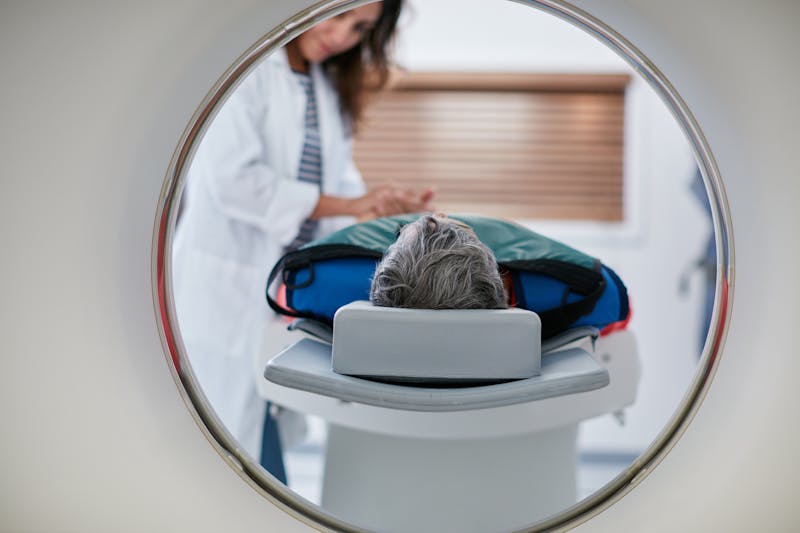
Facial weakness can be brief and benign, or it may be the first sign of a condition that requires urgent, specialized attention. The difference is often invisible to the naked eye. That's where modern imaging changes the story. At Hadlock Facial Plastic Surgery in Boston, D...
View More24
Dec

When most people think of vestibular schwannomas, also known as acoustic neuromas, they often associate them with hearing loss or balance issues. Yet one of the lesser-known effects of these benign tumors is their impact on facial mobility. Because these growths develop close to ...
View More06
Nov

Facial injuries do more than bruise the skin. They can disturb the delicate nerve pathways that animate your smile, blink, and speech, sometimes in subtle ways that are easy to miss immediately after an accident. At the Hadlock Center for Facial Plastic Surgery, Dr. Tessa Hadlock...
View More31
Oct

At the Hadlock Center for Facial Plastic Surgery, we see firsthand how subtle changes in facial movement can signal something far more serious than temporary nerve irritation. As an internationally recognized leader in facial nerve surgery and reconstruction, Dr. Tessa Hadlock an...
View More